
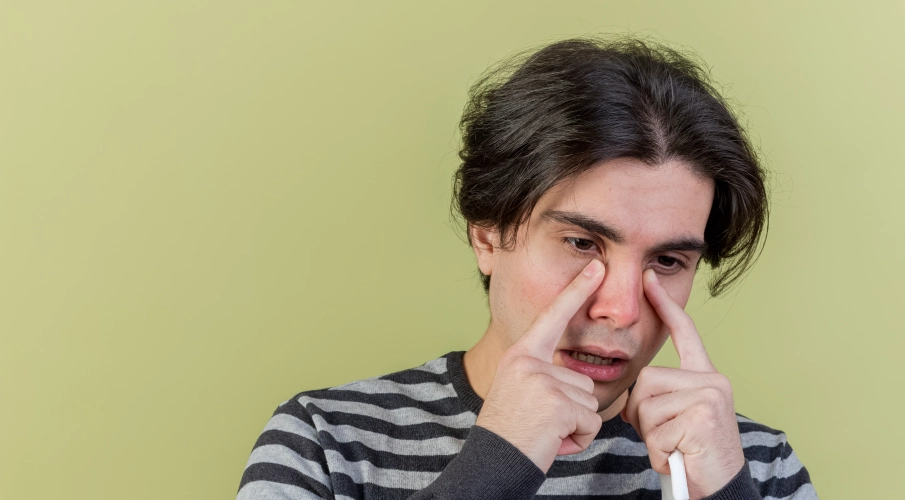
The nasal septum is the bone and cartilage that separates the nasal cavity. When the nasal septum becomes crooked or off-centre, the resulting condition is known as a deviated septum. In other words, it is the displacement of the nasal septum to one side. A majority of the people with this condition have breathing difficulties, nasal blockages, and nasal infections.
You may have a deviated septum without knowing it, as the causes and symptoms associated with a deviated septum are many. Mostly, people with a deviated septum experience breathing difficulties and nasal congestion, but these symptoms are not always associated with a deviated septum in some individuals.
Many people approach an ENT specialist when they encounter recurrent infections, colds, sinus issues, and nasal issues. Whatever the reason may be for approaching an ENT specialist for issues related to the nose, the most common causes of a deviated septum are the following:
Congenital: Deviated septum is a disorder present at birth. During fetal development, the nasal septum can deviate from its normal position to one side, resulting in a deviated septum that may become apparent at birth.
Nose Injury: The nasal septum can move away from its normal position due to a blow to the nose or other nasal injury. The injury can occur to an infant during childbirth. In children, a deviated septum may result due to different types of injuries and accidents, including falls, collisions while playing, collisions with friends while running, collisions with mirrors, tripping on steps, while playing games with other children, etc.
Injuries to the nose, accidental damage, and trauma in adults can cause a deviated septum. Severe nose injury or trauma to the nose mostly occurs when both children and adults are actively involved in sports or play, especially contact sports. Engagement in rough or disorderly play and also motorcycle or automobile accidents are other major causes of nose injury.
Aging process: A normal aging process over a period of time may lead to the worsening of a deviated septum even in the absence of any apparent symptoms. The typical nasal structures may get affected by the normal aging process, and, due to rhinosinusitis or developing rhinitis, the narrowed nasal passages from an off centred septum further narrow down by blocking the passages – which can cause nasal obstruction.
What are the Risk factors?
Apart from the causes of deviated septum, the risk factors include not wearing proper headgear while playing high-risk contact sports; driving bicycles and bikes without wearing a proper helmet, driving four-wheelers without fastening seatbelts, and playing high-risk games without taking proper precautions.
What are the consequences of a deviated septum?
The major effects of a deviated septum include severe nasal congestion, a feeling of pressure in the nose, and breathing difficulties during sleep.
A deviated nasal septum often leads to nasal blockages. People who have this condition breathe through the mouth during sleep. Mouth breathing is an uncomfortable breathing When this happens, the mouth may become dry. It is quite disturbing as well. People with nasal blockages do not sleep properly at night because the nasal canal blocks normal airflow through the nose. When this condition persists for a long time, it may lead to oral health issues, dental problems, and obstructive sleep apnea.
How to prevent a deviated septum?
The trauma and injuries caused to the nose can be prevented by taking some of the following precautions:
- Wear a helmet while driving a bike or scooter.
- Fasten your seatbelt as soon as you sit in a car or a four-wheeler.
- Wear a midface mask or helmet while playing contact sports.
- Don’t participate in high-risk sports unless you have proper protective gear.